Battery Storage for Gujarat Factories, MSMEs & Solar Projects
Gujarat's RE Policy 2025 targets 100 GW of renewable capacity. We manufacture battery energy storage systems from 250 kWh to 5 MWh -fully customizable for factories, MSMEs, solar developers and DISCOMs across Gujarat.
A Policy Built for India's
Energy Transition
The Gujarat Integrated Renewable Energy Policy 2025 is a comprehensive framework designed to accelerate clean energy adoption across solar, wind, hybrid, and storage systems with specific provisions for industrial consumers.
Gujarat aims to install 100 GW of renewable capacity, positioning the state as India's leading clean energy destination by 2030.
A dedicated push for utility-scale solar, rooftop installations, floating solar on reservoirs, and agri-solar integration.
The policy explicitly supports standalone BESS, co-located battery storage with renewables, and grid-connected storage.
Industries can procure renewable power through open access provisions, enabling direct solar + storage investment.
Incentivized hybrid renewable projects combining wind and solar on shared land parcels.
Industries generating surplus renewable energy can bank units with the grid for later use reducing electricity costs.
Gujarat Is Becoming
India's Renewable
Energy Nerve Centre
Industrial energy costs in Gujarat have risen 40% over the last decade. The RE Policy 2025 creates a clear pathway for industries to decouple from volatile grid tariffs.
What's Driving
the Urgency
Soaring Industrial Energy Demand
Gujarat's manufacturing and textile sectors consume over 45% of the state's electricity. Peak demand surcharges are squeezing margins.
Grid Modernisation Imperative
Gujarat's grid is undergoing a digital and structural overhaul. Battery storage is now core infrastructure, not optional.
Policy-Backed First-Mover Advantage
Industries that adopt solar + BESS today lock in the best incentive windows before the policy window narrows.
ESG & Decarbonisation Pressure
Global supply chains demand clean energy credentials. Gujarat RE Policy 2025 gives a credible Scope 2 emissions pathway.
The Infrastructure That Makes
Gujarat's Solar Policy Work
Renewable energy without storage is an opportunity half-realised. BESS transforms intermittent solar generation into a firm, dispatchable energy asset.
What BESS Does
for Your Business
Modern Battery Energy Storage Systems are precision-engineered platforms that shift energy in time - storing cheap or self-generated solar power and deploying it exactly when and where it creates maximum value.
Peak Shaving
Eliminate expensive peak demand charges by discharging stored energy during tariff peaks.
Intermittency Management
Smooth out solar generation variability and ensure consistent power supply 24/7.
Self-Consumption Optimisation
Maximise use of your own solar generation - reduce grid imports to the bare minimum.
Grid Balancing
Participate in ancillary services or provide reactive support under Gujarat's open access framework.
Industrial Backup Power
Ensure operational continuity during grid disturbances with millisecond-response energy reserves.
Energy Arbitrage
Buy low, use when expensive. Time-shift energy procurement to minimise effective tariff costs.
Every Industry. One
Energy Platform.
Gujarat's industrial base spans textiles, chemicals, ceramics, pharmaceuticals, and heavy engineering. BESS + Solar delivers measurable ROI across every sector.
Manufacturing Plants
High continuous load profiles make manufacturing ideal for solar + storage. BESS eliminates demand charges and provides backup during grid instability.
30–40% Cost ReductionTextile Factories
Gujarat's textile belt runs 16–24 hours daily with high loads. BESS enables peak shaving across shift changes and reduces DG backup reliance.
DG Replacement ReadyWarehouses & Logistics
Cold chain and logistics facilities face unpredictable demand spikes. BESS levels these peaks and enables energy banking under Gujarat policy.
Energy Banking EligibleData Centres
Zero-downtime requirements make BESS essential. Combined with captive solar, data centres can achieve 40%+ renewable energy mix.
Zero-Downtime GradeCommercial Buildings
Large format retail and office towers benefit from rooftop solar + BESS. Gujarat rooftop solar policy provides net metering credits.
Net Metering + StorageIndustrial Campuses & SEZs
Multi-facility parks can deploy centralised BESS with shared solar under Gujarat's open access and captive power frameworks.
Open Access FrameworkEvery Mechanism Working
in Your Favour
The Gujarat Renewable Policy 2025 is structured as a comprehensive incentive ecosystem.
Energy Banking
Bank surplus solar with the grid and draw down during non-generation hours effectively using the grid as a zero-cost battery.
Grid Connectivity
Streamlined grid connectivity norms for renewable + storage projects reduce project timelines significantly.
Open Access
Industries above threshold consumption can procure renewable power directly from generators, bypassing standard utility tariffs.
Captive Solar
Own-use solar installations get dedicated policy support, with simplified approvals and favourable wheeling charges.
Wind-Solar Hybrid
Gujarat's hybrid policy allows combined projects on shared land, improving plant load factors and storage economics.
Rooftop Solar
Net metering provisions, CAPEX support frameworks, and hassle-free DISCOM interface for C&I rooftop installations.
Floating Solar
Gujarat's water bodies and reservoirs are designated for floating solar deployment, unlocking land-scarce zones.
Renewable Incentives
Stamp duty exemptions, electricity duty waivers, and dedicated evacuation infrastructure for qualifying RE projects.
Built for Gujarat's
Industrial Energy Scale
Good Enough Energy's BESS product line is engineered for the demands of Gujarat's industrial sector from factory floor to grid-scale deployments.
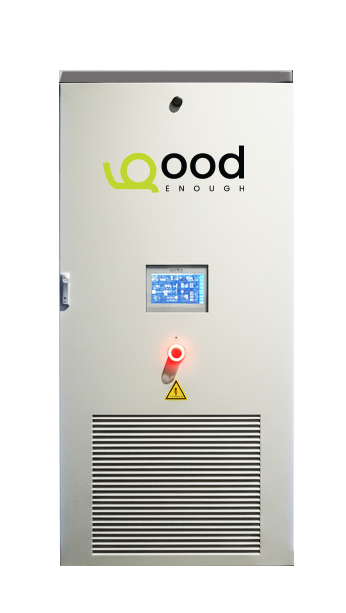
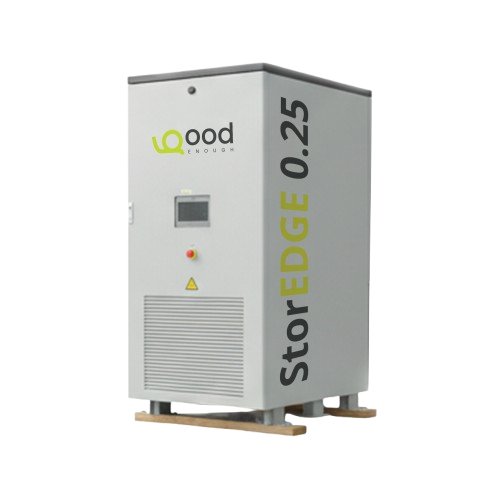
StorEdge 0.25 (250kW/125kVA)
The flagship industrial energy storage unit compact, rack-mounted, and designed for factory floor installation with IP54 ingress protection and integrated BMS.
Industrial Grade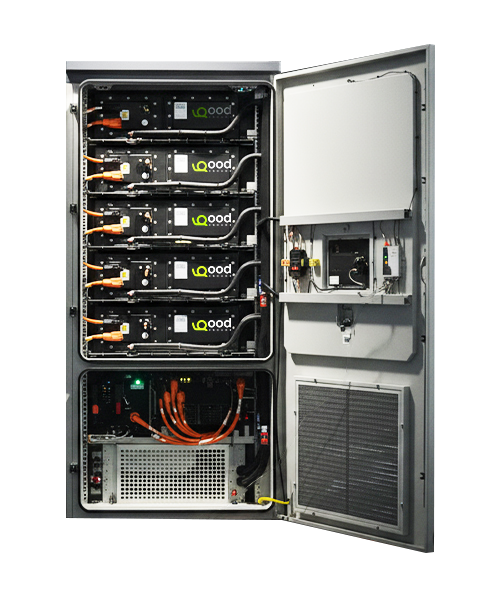
All-in-One System
Modular LFP battery stacks with full serviceability, each module hot-swappable for zero-downtime maintenance. Designed for 10,000+ cycle lifetime in Gujarat's climate.
Modular Design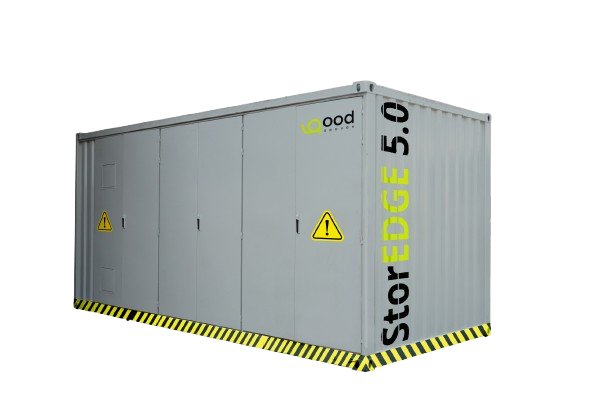
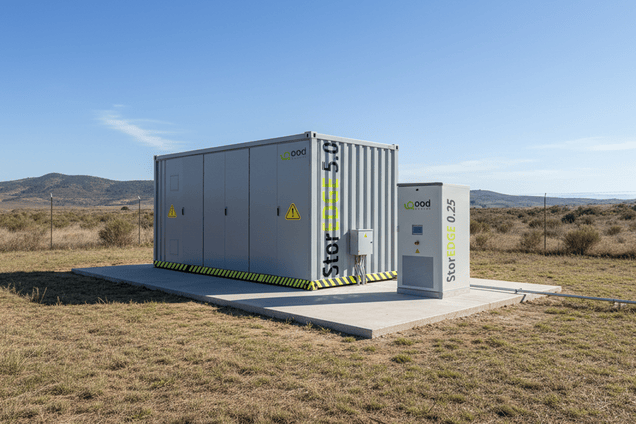
StorEDGE 5.0 (5 MWh / 2.5 MVA)
Containerised, grid-ready BESS for large industrial campuses, SEZs, and utility-scale applications under Gujarat's standalone BESS policy framework. Rapid deployment, scalable capacity.
Grid-Scale ReadyGujarat RE Policy 2025 -
Your Questions Answered
The Gujarat Integrated Renewable Energy Policy 2025 targets 100 GW of renewable capacity by 2030. It covers solar, wind, hybrid, BESS, floating solar, and open access creating a structured incentive environment for industrial and utility-scale clean energy adoption.
Yes. The Gujarat RE Policy 2025 explicitly includes provisions for standalone BESS, co-located battery storage paired with solar or wind, and grid-connected storage. Industrial captive BESS installations are covered under captive power provisions.
Industries can access electricity duty waivers, stamp duty exemptions, favourable wheeling charges, open access, and energy banking. Combined, these can reduce effective solar electricity costs to ₹3–5/kWh over a 25-year system life.
Yes. Battery Energy Storage Systems are a core component of the Gujarat Renewable Policy 2025 covered as standalone, co-located, and grid-connected applications with specific industrial applicability under captive power rules.
Absolutely. Industries can install captive solar + BESS under the Gujarat RE Policy at their premises or via third-party open access. Net metering, energy banking, and BESS peak shaving create a compelling economic case at any scale.
Energy banking allows renewable energy generators to inject surplus power into the grid and withdraw equivalent units during non-generation periods using the distribution network as a virtual storage system.
Yes. The Gujarat rooftop solar policy includes net metering for C&I consumers - units fed to the grid offset future bills. Eligible rooftops also qualify for MNRE CAPEX subsidies under the PM Surya Ghar scheme.
Gujarat targets 100 GW of installed renewable capacity, with emphasis on utility-scale and rooftop solar, wind, wind-solar hybrid, and battery storage among the most ambitious clean energy ambitions in India.
The Gujarat RE Policy 2025 includes a wind-solar hybrid framework allowing combined projects on shared land with unified grid connectivity eligible for the same banking and open access provisions as standalone projects.
Gujarat combines exceptional solar irradiance and coastal winds, a progressive policy environment, large industrial demand, well-developed infrastructure, and proactive DISCOM frameworks consolidated into the most attractive RE destination in India.
Prepare for Gujarat's
Renewable Energy Future
The Gujarat RE Policy 2025 window is open. Industries that act now lock in the most favourable incentive structures and project economics.